When PBL Goes Beyond the Classroom
Sep 17, 2026There’s a big difference between asking students to complete a project for just a grade and asking them to create something that can actually make a difference.
Kelli is an educator at Nettleton STEAM Intermediate, a public school where project-based learning is at the heart of what they do. But like every other school, they still have standards they are responsible for teaching. When Kelli was teaching science, one of those sets of standards was thermal energy. Her students needed to understand conduction, convection, radiation, heat transfer, and how kinetic energy relates to temperature.
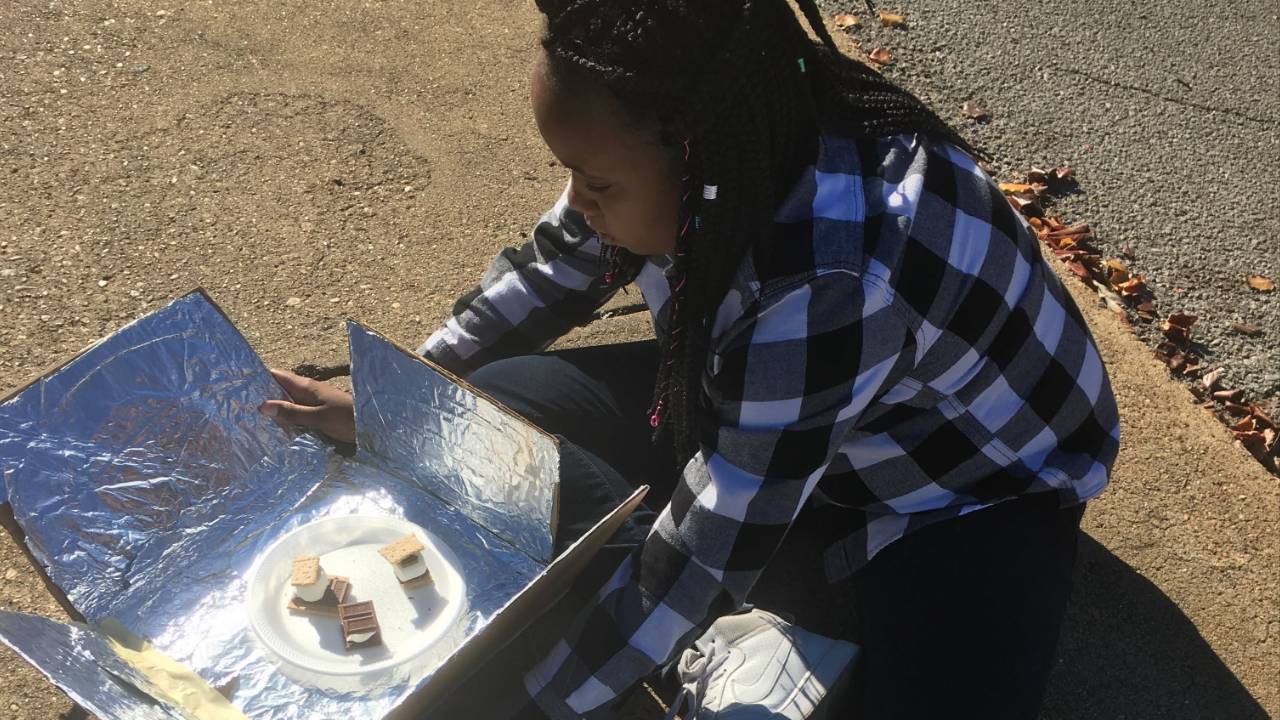
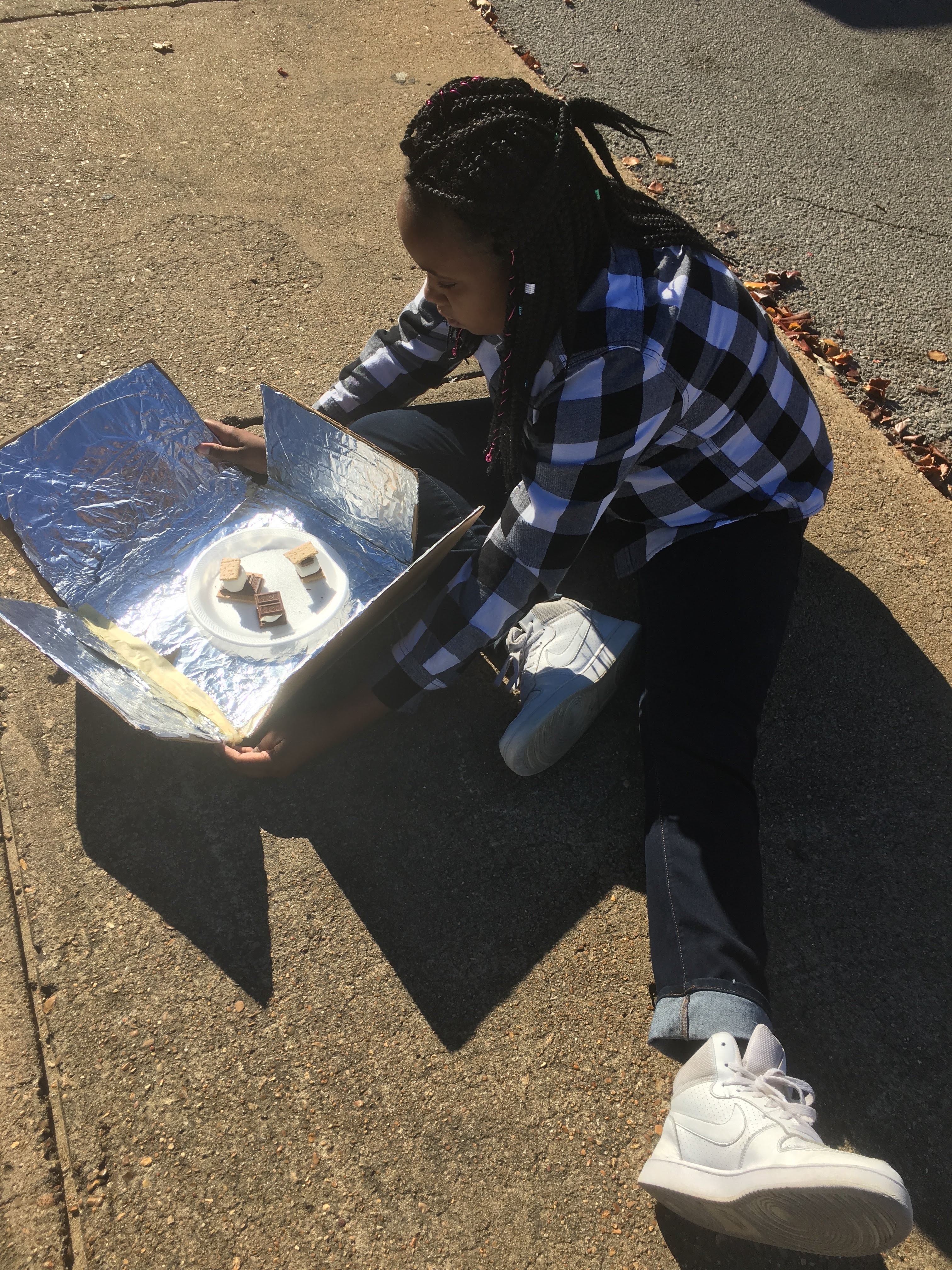
She started brainstorming a project that could bring all of those concepts together and landed on solar ovens. Students could design and build ovens that captured energy from the sun, and in the process, they could see the science they were learning.
But Kelli didn't want the project to end there. "I don't just want them to build a solar oven," she remembers thinking. "There's got to be some impact that they can make."
Adding a Service Aspect to a Project
Sometimes we take the exact same work students would have done in a traditional unit and package it as a project. They make something, turn it in, the teacher grades it, and then it goes home, gets shoved into a backpack, or eventually ends up in the dumpster behind the school. There’s nothing inherently wrong with that (except maybe the dumpster, but I guess those model volcanoes have to go somewhere), but there's often an opportunity for what students create to serve someone beyond themselves.
And it turns out adding a service aspect to student work impacts the way they engage, including academically. One meta-analysis of 62 studies involving more than 11,000 students found that students participating in service-learning showed gains in their attitudes toward school and learning, civic engagement, social skills, and even academic performance. The researchers also found stronger outcomes when the service was connected to the curriculum and included student voice and community involvement.
So Kelli started brainstorming how she can connect this science project to real people.
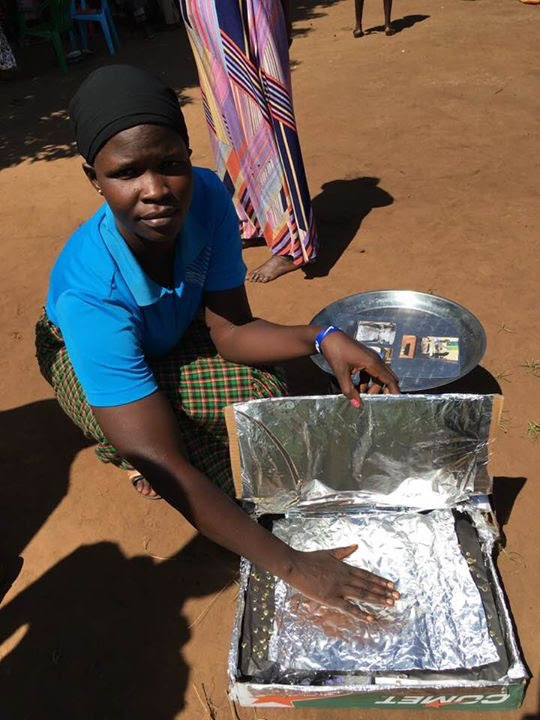
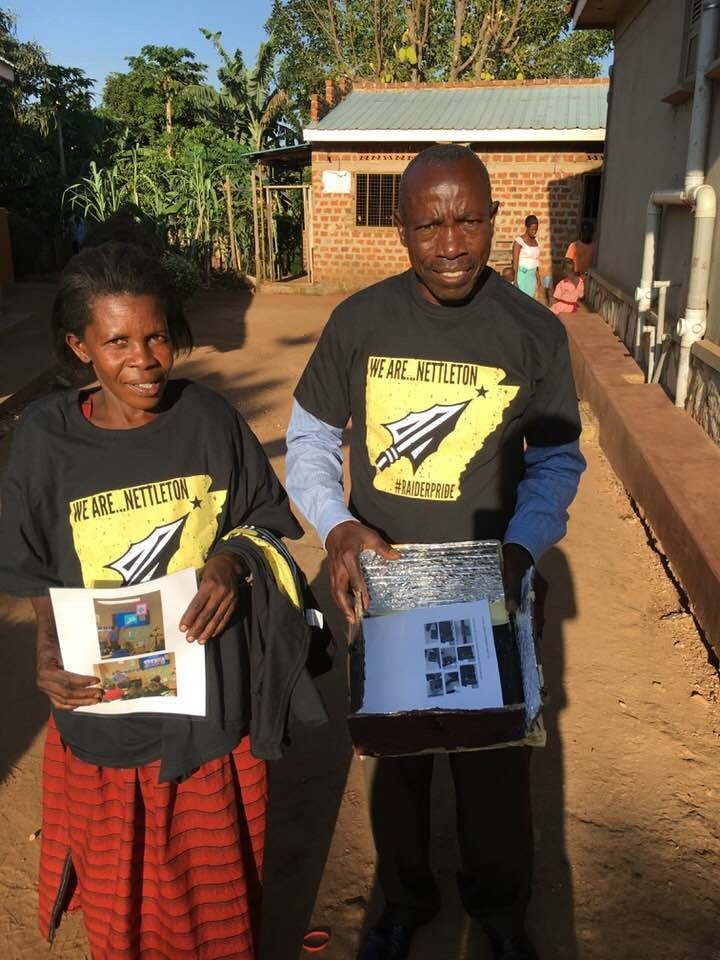
Eventually, a connection was made that allowed the solar ovens her students designed to be taken to Uganda. She showed her students a video about people in Uganda who didn’t have reliable access to electricity and often had to rely on other unsafe methods to cook their food. And she challenged them to learn about and then create real ovens that could serve these people. Now their work wasn't just a way to demonstrate their understanding of thermal energy. It could potentially be useful to real people.
Authentic Purpose Changes What Students Have to Learn
One of my favorite things about authentic learning is that real purpose often creates the need for more learning. If these ovens were actually going to be used by people thousands of miles away, students had to think about things they might never have considered if Kelli was simply grading them.
Would the ovens actually work? Could someone easily transport them? Could a person who had never seen one figure out how to set it up and use it? The students realized they needed instructions and had to think about their design from somebody else's perspective.
It's important to note, the science standards didn't disappear. In fact, students needed to understand the science well enough to create something that actually worked. But now communication, problem solving, empathy, collaboration, and design were part of the learning too. Kelli didn't have to manufacture opportunities for students to practice these skills or tack them onto the end of the unit. The work itself demanded them.
That’s one of the things I love most about authentic learning. When students are doing work that actually matters to someone, the complexity of the real world naturally asks more of them.
The Standards Are Still There
One of the misconceptions about project-based learning is that authentic learning means sacrificing academic content. Kelli's project is a great example of why that doesn't have to be true.
She was still teaching thermal energy. Her students still needed to understand conduction, convection, radiation, and heat transfer. The difference was that those concepts weren't only something students needed to know for a test. They needed that knowledge to solve a problem and create something functional.
Kelli actually challenged herself to see if she could teach every one of her required science standards through project-based learning. And she wasn't doing this with a handpicked group of advanced students either. She taught students across a wide range of abilities and backgrounds and wanted to see whether this kind of learning could work for all of them.
Building Better Humans
Something Kelli said to me when sharing about this project and her school stuck with me: "We're all about building better humans, not just better students."
I love that because it gets at what can happen when learning moves beyond the classroom. Students still learn science and math. They still read, write, research, calculate, analyze, and create. But they also begin discovering that what they know can be useful to somebody else. Their work can solve a problem. What their learning in school is actually useful
And maybe that's one of the questions we should ask more often when we're planning learning: Who could actually use what our students are creating?
The answer doesn't have to be someone on the other side of the world. It could be another class, a local business, parents, city leaders, a nonprofit, younger students, or people in the neighborhood. Authentic doesn't have to mean enormous. Sometimes simply changing who the work is for can completely change what the work means.
And as a result, students engage and learn more.
You can listen to my conversation with Kelli, where she talks all about this project and more on The Epic Classroom Podcast. Listen here.
Stay Connected With Trevor's Work
Join thousands of educators who receive weekly articles, videos, and inspiration from Trevor.
SPAM is the worst. I promise to only send you my best stuff and NEVER to share your email.
Author